How Students Can Improve Employability Skills Before Graduation
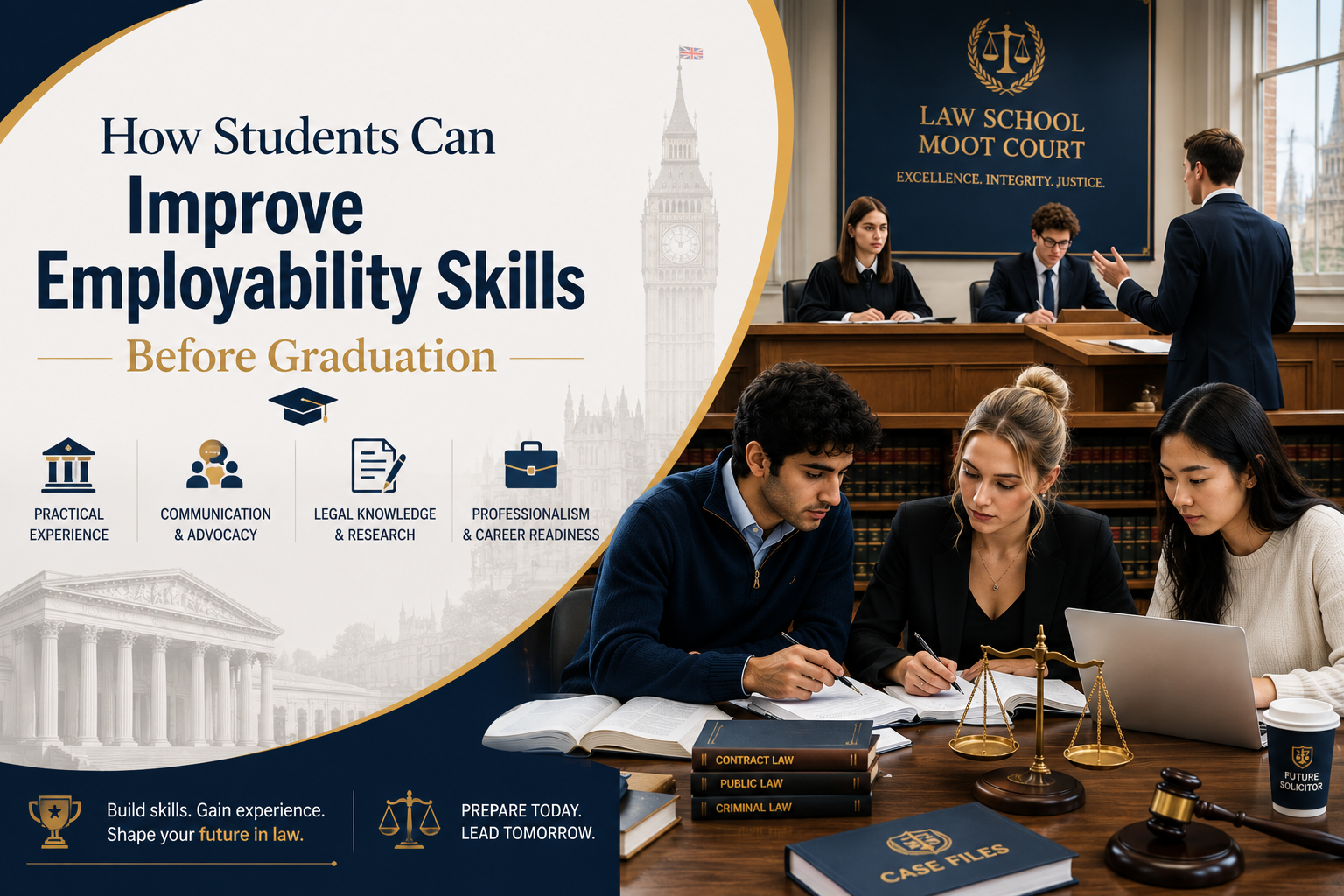
Understanding the Shift from Education to Employment
The transition from higher education into employment requires more than academic qualifications alone. Across industries, employers increasingly emphasize a combination of technical knowledge, interpersonal abilities, and practical experience when evaluating graduates.
While university programs provide subject-specific expertise, many of the skills required in professional environments—such as communication, teamwork, adaptability, and digital competence—are developed through a combination of coursework, extracurricular involvement, and independent learning.
This guide outlines key employability skills and provides structured approaches that students can use to strengthen their readiness for the workforce before graduation.
1. Communication Skills
Why communication matters
Communication remains one of the most critical workplace skills across all industries. It affects collaboration, leadership potential, client interaction, and overall workplace efficiency.
2. Digital Literacy and Technological Competence
Why digital literacy is essential
Modern workplaces rely heavily on digital systems for communication, project management, data analysis, and automation.
3. Problem-Solving and Critical Thinking
Importance in the workplace
Problem-solving skills enable professionals to address challenges effectively and make informed decisions.
4. Practical Work Experience and Internships
Why experience matters
Employers consistently rank practical experience as a key indicator of job readiness.
5. Networking and Professional Relationships
Why networking matters
Many career opportunities arise through professional connections rather than formal job applications.
6. Time Management and Self-Discipline
Importance
Effective time management supports academic success and reduces stress.
7. Adaptability and Continuous Learning
Why adaptability is essential
Modern industries evolve rapidly, requiring ongoing learning and flexibility.
8. Leadership and Teamwork
Importance
Leadership and teamwork are essential in collaborative environments across all industries.
Building a Career-Ready Skill Set Beyond the Classroom
Employability is shaped by a combination of academic learning and practical skill development. While degree programs provide essential theoretical knowledge, career readiness depends on how effectively students develop communication, digital competence, problem-solving abilities, teamwork, and adaptability throughout their studies.
By actively engaging in internships, extracurricular activities, and continuous self-improvement, students can bridge the gap between education and employment. Developing these competencies early not only improves job prospects but also supports long-term professional growth in an evolving global workforce.


