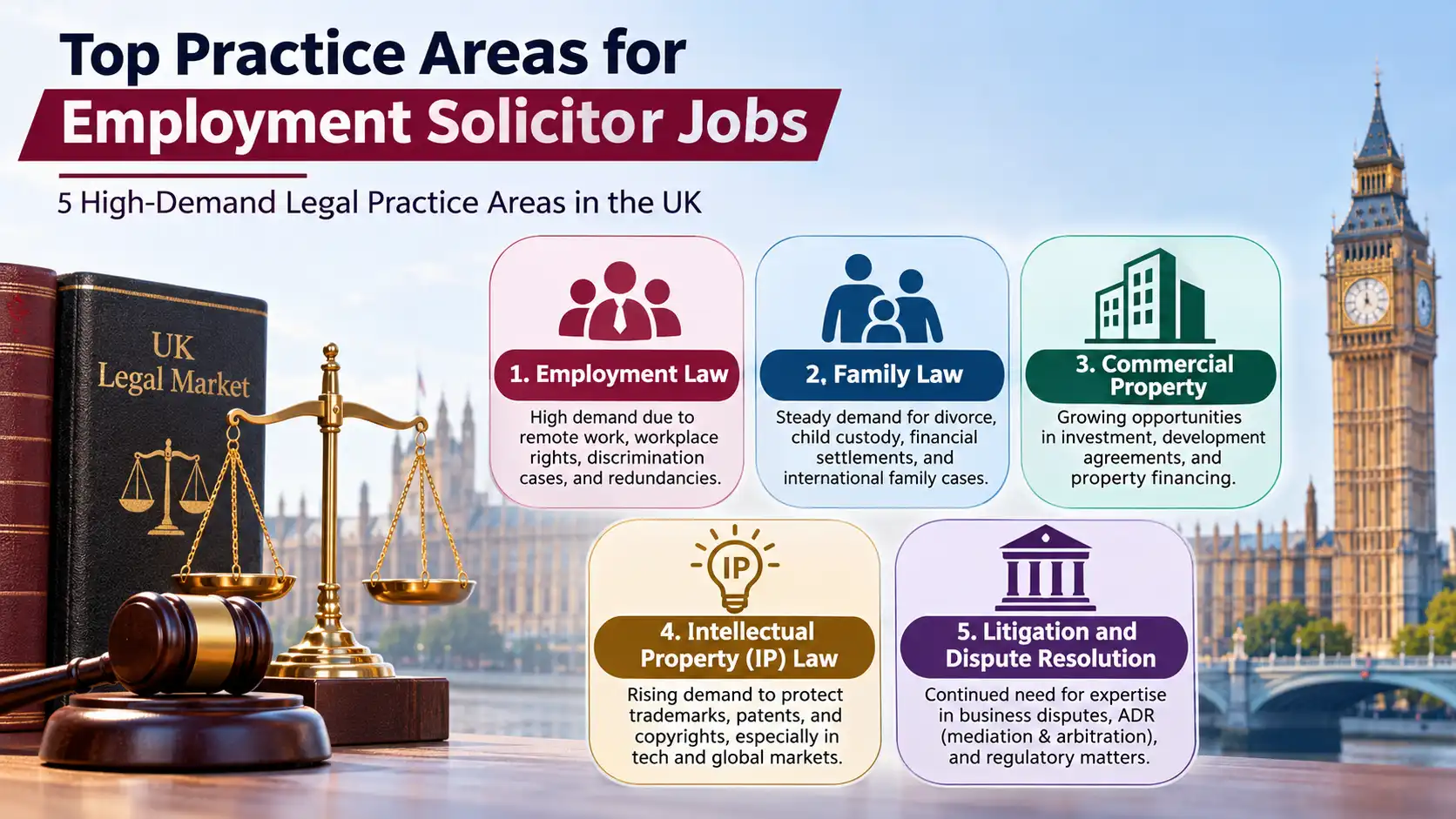
Top 5 Practice Areas for Solicitors in High Demand
Explore the most sought-after legal practice areas in the UK, including employment law, family law, and commercial property, to guide your career path.

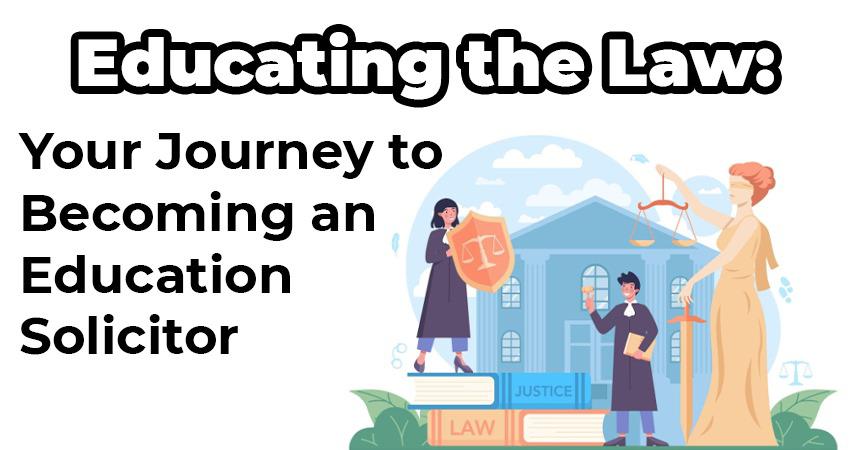
Education law is a fascinating and rewarding field that affects students, teachers, and educational institutions. Education solicitors handle legal matters ranging from school governance and funding to student rights, special educational needs (SEN), and disciplinary procedures. With increasing regulatory oversight, evolving educational policies, and growing concerns over accessibility and fairness in the education system, education law remains a dynamic and highly impactful practice area. If you’re passionate about education and justice, becoming an education solicitor can offer an engaging and meaningful career. But where do you begin?
The routes to qualify as an education solicitor in England and Wales vary depending on your foundation; someone who has graduated with an undergraduate degree in Law (LLB), from now on, will complete the Solicitors Qualifying Examination (SQE), as the previous LPC route to qualification is being phased out.
However, non-law graduates looking to change careers, must first complete the Graduate Diploma in Law (GDL) before starting their SQE journey to qualification.
Focusing on modules like Public, Employment Law, and Human Rights Law in particular would be helpful for individuals interested in becoming an Education Solicitor, due to these sectors generally forming the basis of most cases.
Once you complete your education (or while you are completing it, if you can), it’s always helpful to gain some practical experience in the area. Not only will this help you to be certain of your passion for Education Law but will also aid you in demonstrating enthusiasm for this specialism. Aspiring education solicitors could start by looking in the following places to gain expertise:
Completing internships, volunteering, and legal placements in these environments will expose you to the systems governing admissions policies, discrimination cases, safeguarding concerns, and regulatory compliance.
Education solicitors deal with a wide range of legal disciplines, which require knowledge and understanding of some key areas. Advising on policy implementation, legal compliance, funding allocation disputes, and the rules governing schools’ operations are potential focus areas for education solicitors. You could also deal with issues regarding employment law in education, the rights of students and staff and anti-discrimination, representing clients in disputes over government education policies and school closure issues, for example. Therefore, it would be advisable for aspiring solicitors to build knowledge of these areas, which will positively contribute towards a well-rounded legal expertise and prepare candidates to handle diverse cases.
To qualify as a solicitor, candidates have two main options. The first concerns securing a training contract at a firm, with the government, or in an educational institution. The second regards completing two years of qualifying work experience (under the new SQE framework). The latter enables you to experience different legal settings, including local councils, Ofsted and other regulatory bodies, and education-focused charities.
The following are some well-known firms with strong practices in Education Law:
Education solicitors often advocate on behalf of students, parents, and professionals. Challenging government policies or school decisions form the central issue in many legal disputes of this nature, which means that solicitors must have a sound understanding of the judicial review procedures and how to successfully apply for the judicial review of cases.
Useful key skills for aspiring education solicitors to develop include public law advocacy (as they will most likely find themselves representing clients in judicial review cases against the decisions of government and schools. Handling cases concerning students with Special Needs and Disabilities in the SEND tribunals is also possible, where parents wish to challenge schools’ refusals to accommodate their children’s learning difficulties. Additionally, education solicitors should be prepared and develop the skill of policy and legislation interpretation, as they will have to advise schools regarding their compliance with the statute, the Education Act 1996 and the Equality Act 2010 to name a couple of key ones. To summarise, having strong advocacy skills will set education solicitors apart when handling contentious matters in this field.
To remain effective in this sector, it would be great to join professional networks such as the Education Law Association, responsible for updating members of education practice and networking opportunities. It would also help to attend some legal seminars on the practice area and participate in public debates and discussions regarding the challenges the education law sector currently faces.
To conclude, becoming an education solicitor requires qualifying, obtaining relevant work experience, understanding the public and employment law sectors, and developing strong advocacy skills. A highly intellectually stimulating profession, specialising in education law allows solicitors many options of where they can practice, between traditional firms, government bodies, educational institutions and advocacy organisations. This career provides an excellent opportunity to make a difference in terms of educational justice, for students, parents and teachers alike.
By Aliyyah Kola-Olukotun

Explore the most sought-after legal practice areas in the UK, including employment law, family law, and commercial property, to guide your career path.
Explore key insights into securing training contracts in Birmingham, including top firms, tips for applications, and how to stand out in this vibrant market.
Explore the best cities in the UK for crime solicitor jobs. Learn about local markets and career growth opportunities.